about amboseli children's fund and the maasai
Who are the Maasai?
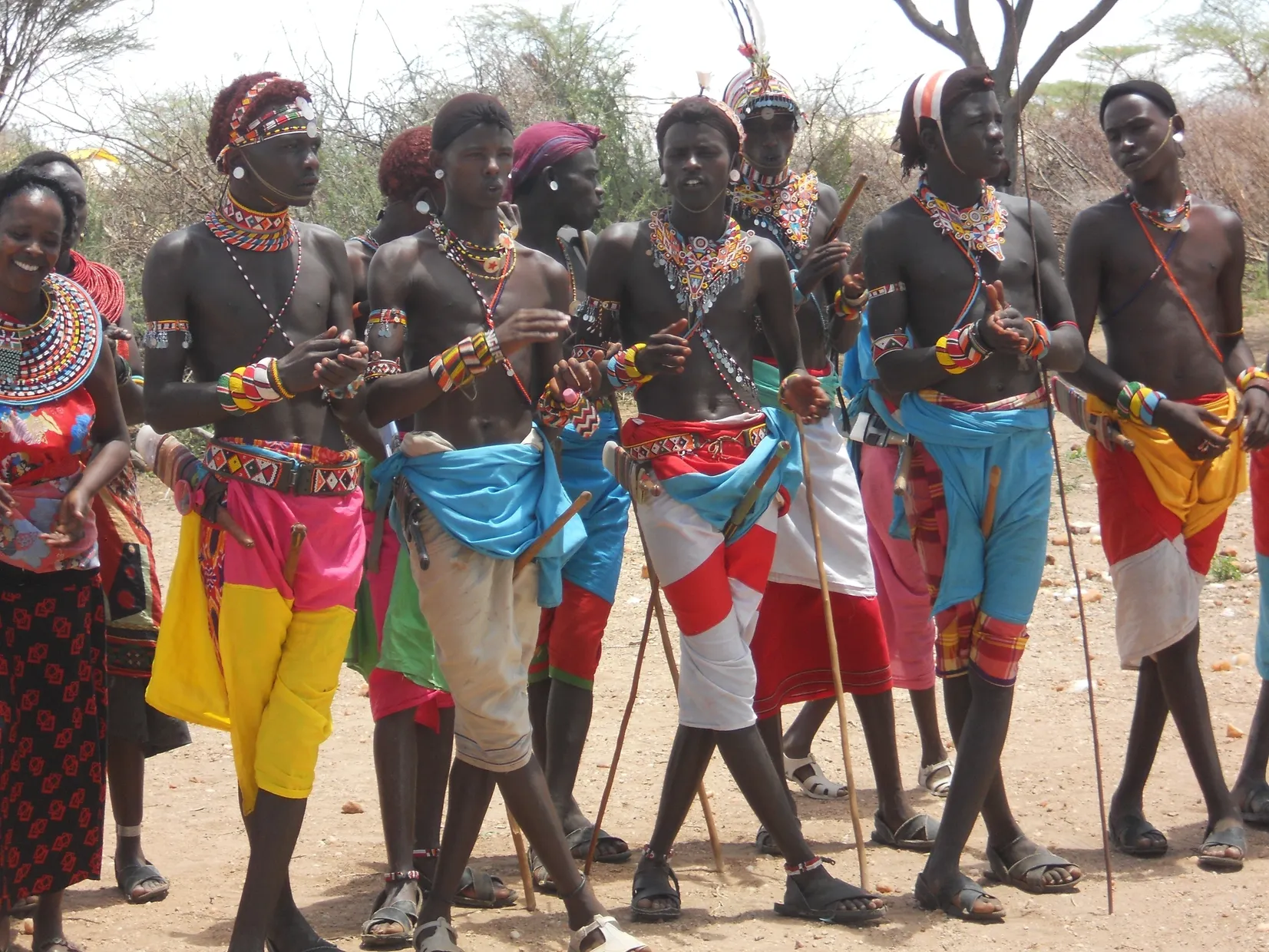
- The Maasai are among the best known of African ethnic groups, due to their residence near the many game parks of Kenya and their distinctive customs and dress. They own cattle, sheep and goats which they follow around seasonally in search of new grazing grounds and water sources. Traditionally the Maasai have always been a proud and independent tribe. They did not cultivate the land and depend on a cash economy as many of those around them did, rather they lived off the milk that their cattle provided them.
- The Maasai live a natural way of life with no modern conveniences and few comforts. There are no paved roads (let alone vehicles), their homes have no electricity or refrigeration, no running water. They live in one of the few areas still populated by wild animals but have only hand made weapons (such as a spear) for protection. The men in the Maasai tribe are born and raised to be warriors. They don‘t marry when they are young but instead are sent out with the calves and lambs as soon as they can walk. Women are responsible for making the houses as well as supplying water, collecting firewood, milking cattle and cooking for the family. Maasai houses (manyattas) are loaf shaped and made of mud, sticks, grass, cow dung and cow's urine. Within this space, the family cooks, eats, sleeps, socializes and stores food, fuel and other household possessions.
- Maasai girls may be fortunate enough to attend primary school, but most do not continue on as they are required to undergo FGM and an arranged marriage at the tender age of 12 or 13 (this is not true for girls in our program). While there is still pressure on the girls to be circumcised and marry earlier than in western societies, this tradition is changing as we educate more of the youth. Educate a child, and you educate the community! The longer a student remains in school the later they will marry and typically they will have fewer children.
- When you give to our scholarship fund or sponsor a child thru our non-profit you are opening up an entire new future for these youth. They are so appreciative of the the opportunity to have an education and understand the importance of it for improving their community.
Why education?
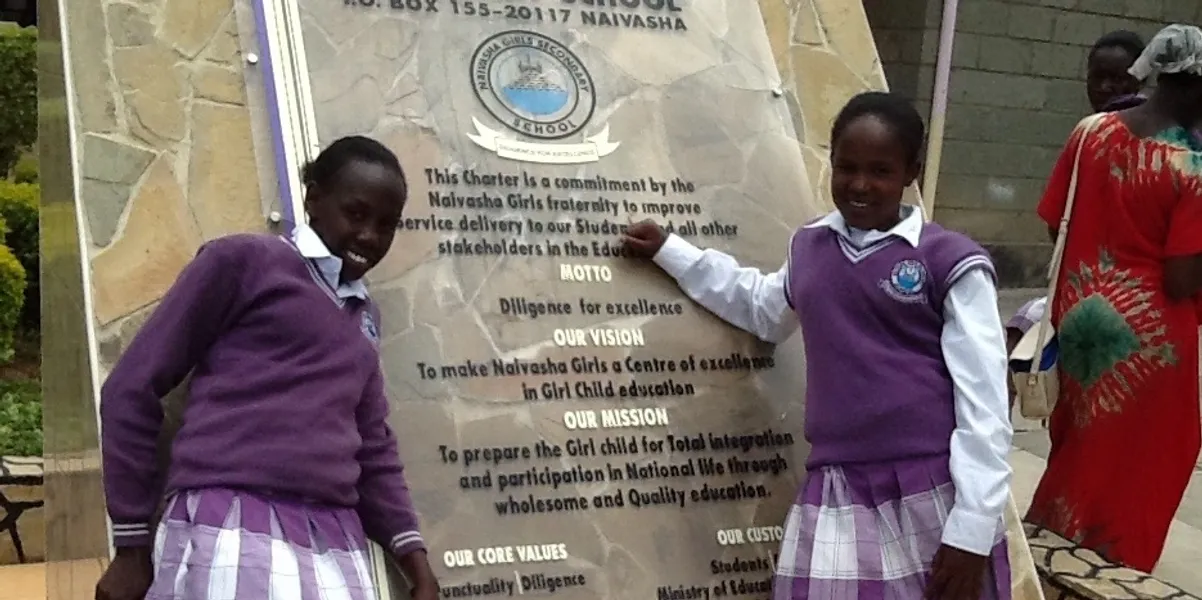
An education gives these children the tools to deal with the modern world as well as hope for a bright future. Education has been shown time and again to be a key element in reducing poverty, achieving gender equality and social development. Over the years, many projects have begun to help the Maasai find ways to preserve their traditions while also balancing the educational needs of their children.
As a people, they are coming to understand that education need not be seen as a surrender to mainstream culture, but rather as a way to fix those aspects of their own culture that need fixing – particularly in the treatment of women and girls. Despite this new awareness, there are still many factors that make it difficult for a Maasai child to obtain a good education. Expense, distance and cultural challenges are the top three.
For less than $2 per day you can sponsor a child! Not ready to sponsor? Please give to our Scholarship fund to ensure our students are able to attend Universities - any amount is greatly appreciated!
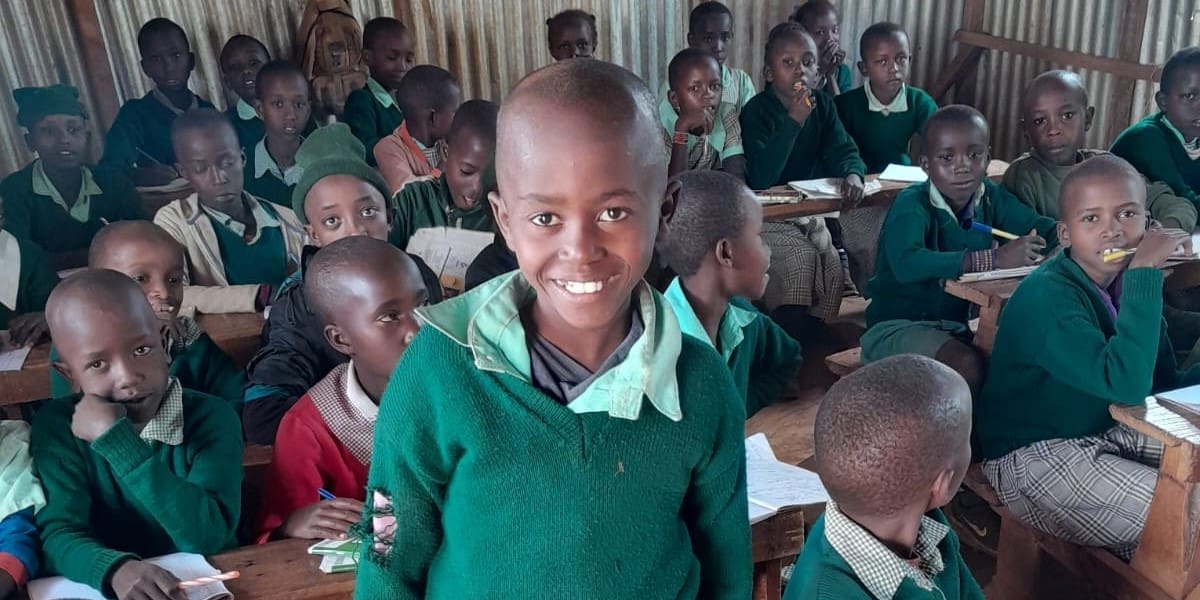
Our Mission
At Amboseli Children's Fund, we believe:
- All Maasai children deserve an environment of hope, respect and understanding.
- That all of our actions must be guided by the utmost integrity and honesty.
- As volunteers, we do not use any of the funds we receive for administrative costs; all donations are used solely to cover education costs for Maasai children.
Currently, we work with several schools located all over Kenya. We gather the students three times a year during school breaks to monitor their progress and their well-being. ACF even provides workshops, mentoring and career counseling.
It's quite a challenge to watch over each and every student; but we are dedicated to ensuring the children in our program thrive and have the tools needed to transform their lives.
Never doubt that a small group of thoughtful, committed citizens can change the world. Indeed, it is the only thing that ever has." - Margaret Mead
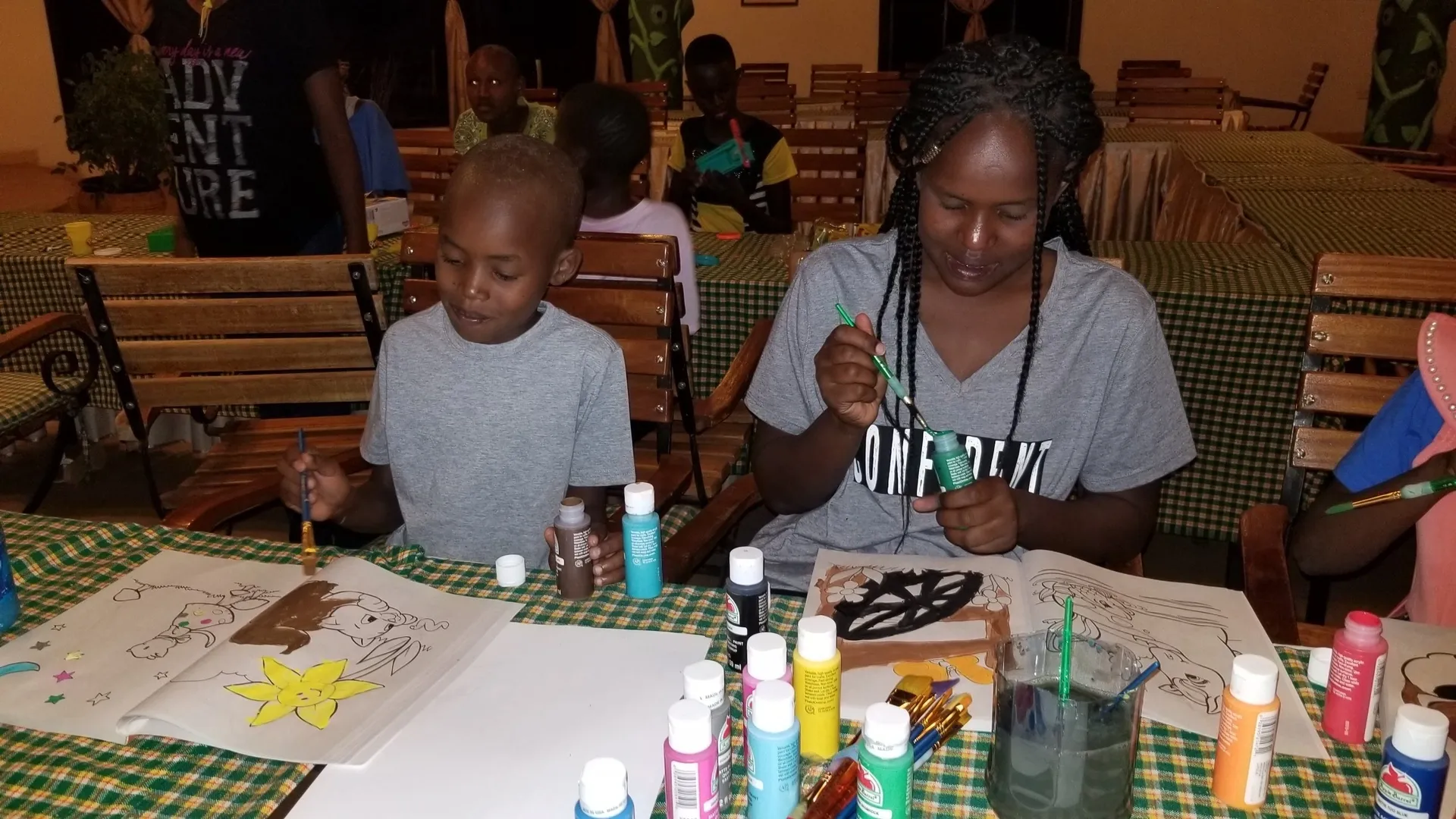
education brings change in just one generation!
Your support and contributions will enable us to give hope and change lives; both for now and generations to come!
